Mastering Front-of-House Flow: Why Modern Hospitality Runs on Smart Seating and Direct Reservations

October 23, 2026 · 21 reads
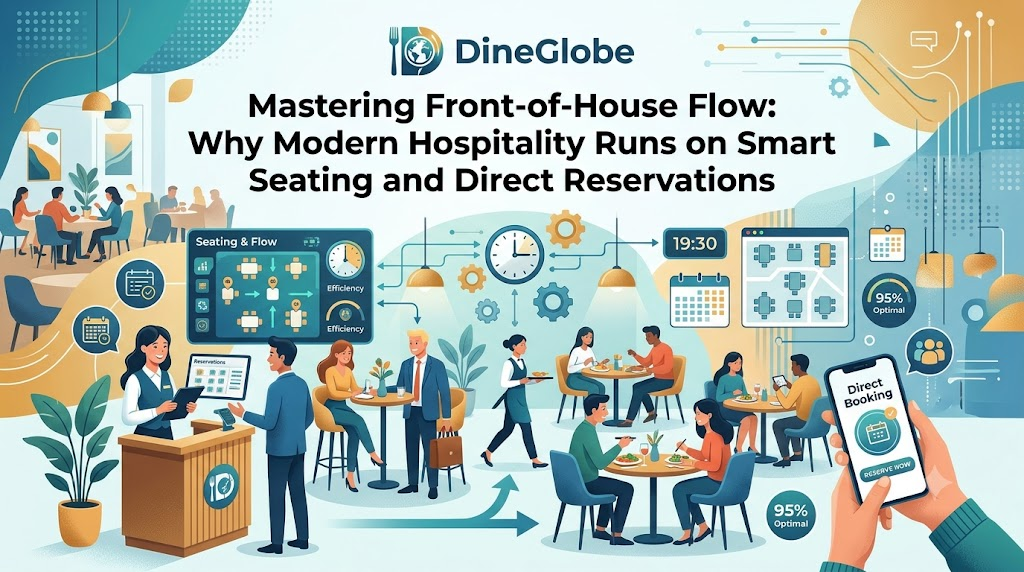
Ask any restaurant manager about their most vulnerable operational moment, and they will point straight to the door at 7:30 on a Saturday night. When arrivals outpace table turns, walk-in parties crowd the foyer, and the phone rings with last-minute inquiries, even seasoned host teams can lose their rhythm. Relying on physical binder sheets, disconnected digital pads, or inflexible third-party portals quickly turns a busy, lucrative shift into an evening of frustrated guests and overwhelmed floor staff.
Hospitality is an art, but dining room logistics are a discipline of timing and geometry. Implementing modern restaurant reservation software has become a fundamental operational standard for forward-thinking eateries. By connecting online bookings, real-time table turnover, dynamic floor maps, and waitlists into a unified interface, restaurants protect their team’s sanity, boost turn efficiency, and keep their customer relationships strictly in-house.
Where Traditional Front-of-House Operations Fall Flat
When a restaurant operates on disconnected systems, small oversights rapidly cascade across the entire service.
The most frequent operational bottlenecks include:
- Excessive Intermediary Fees: Relying on third-party marketplace portals means surrendering a cut of every cover you seat. These costs pile up quickly, cutting into thin margins while preventing you from building direct relationships with your regulars.
- Capacity Guesswork and Overbooking: When booking channels lack real-time visibility into table turnover and dynamic seating combinations, tables are frequently overcommitted, causing incoming parties to wait well past their reserved time.
- Uncoordinated Door Traffic: Without an automated queue to manage unannounced arrivals, door staff are forced to improvise wait times, cluttering entryways and turning away high-margin walk-in business.
- Uneven Server Loading: Manual seating often results in clustered seatings in one station while another sits dormant, which overburdens specific servers, stalls the pass in the kitchen, and slows down overall table turns.
Fixing these service snags requires trading scattered tools for a consolidated, purpose-built front-of-house workflow.
Core Pillars of an Effective Table Management Architecture
A cohesive hospitality platform bridges the gap between the digital customer journey and the physical reality of the dining room.
Direct Booking Channels That Put You First
Deploying a direct restaurant booking system allows hospitality venues to capture reservations through their own digital footprint. Funneling guests into an online restaurant booking system via your proprietary booking link provides vital operational leverage:
- Uncompromised Guest Data: Capture direct guest contact records, special requests, and historical dining preferences without third-party limitations.
- Customized House Rules: Set your own turn-time limits, party size thresholds, cut-off windows, and cancellation terms that actually match your kitchen’s pace.
Dynamic Floor Maps and Real-Time Table Mapping
A reservation list is only as good as the floor plan supporting it. Modern restaurant floor plan software reflects the physical reality of your dining room dynamically.
This functionality delivers essential day-to-day advantages:
- Dynamic Table Combinations: Pair two-top tables into flexible configurations for larger gatherings without creating phantom vacancies on your floor.
- Pacing and Reset Windows: Automatically insert transition buffers between seatings, ensuring bussers and servers have adequate time to clear, sanitize, and reset place settings.
- Live Shift Intelligence: Color-coded status updates let hosts spot newly seated guests, active courses, and settling checks at a single glance.
Smarter Waitlists and Walk-In Coordination
Even fully booked evenings encounter sudden schedule changes. Flexible restaurant waitlist management software calculates realistic wait estimates based on actual dining progression instead of rough guesswork.
Working alongside dedicated restaurant walk-in management software, front-desk teams can log spontaneous walk-in guests, manage line positions, and send instant alerts when tables open up—capturing valuable foot traffic without disrupting scheduled diners.
Transforming the Host Stand into a Command Center
The host station sets the tone for the entire guest experience. Equipping reception teams with intuitive restaurant host stand software replaces chaotic coordination with clear, organized execution.
A unified operational display empowers hosts and managers to:
- Review upcoming covers, immediate arrivals, and active table durations simultaneously.
- Rotate party seatings across stations to maintain a manageable, steady pace for the kitchen.
- Reallocate tables instantly when parties arrive ahead of schedule or wrap up their meals early.
Guest Reservation / Walk-In Door Arrival
                   │
                   ▼
     [ Central Host Control Panel ]
   ├── Custom House Reservation Rules
   ├── Live Floor Layouts & Reset Buffers
   └── Synchronized Waitlist Queue
                   │
                   ▼
   Balanced Server Loads & Frictionless Service
Elevating Daily Service Workflows with DineGlobe
For operators seeking an alternative to fragmented tech stacks and costly marketplace commissions, DineGlobe delivers an all-in-one front-of-house management solution. Tailored for independent venues and growing hospitality brands looking for dependable restaurant reservation software for small restaurants, DineGlobe integrates every phase of front-desk operations into a smooth, single workflow.
Unified Management Built for Modern Teams
The platform connects diner reservations directly with dining room logistics:
- Direct, Commission-Free Booking: Guests book tables through an intuitive, branded interface, removing reliance on third-party dining marketplaces and per-diner fees.
- Live Table and Floor-Plan Coordination: Integrated restaurant table management software uses physical room mappings, combined table setups, reservation holds, and turn buffers to keep incoming bookings balanced with real-world capacity.
- Comprehensive Host Stand Control: Front-of-house staff get complete, live visibility over upcoming reservations, arrivals, occupied tables, and dining progress across shifts.
- Walk-In and Waitlist Management: Reception teams can register foot traffic, track visits, calculate accurate wait times, and notify waiting diners the moment a table resets.
- Self-Service and International Support: DineGlobe provides guest self-service links, confirmation codes, staff role permissions, operational reports, and multilingual interfaces in English, Japanese, and Arabic.
To give venues the opportunity to evaluate a cleaner service flow firsthand, DineGlobe offers a free restaurant reservation system through its pilot program, granting complete access to its suite of reservation, table management, and waitlist tools without initial software barriers.
Actionable Guidelines for Polished Front-of-House Service
Technology provides the structure, but consistent service habits ensure reliable execution:
- Differentiate Dining Times by Party Size: Avoid assigning arbitrary dining durations across the board. Set clear windows—such as 60 minutes for couples, 90 minutes for mid-sized groups, and two hours for larger parties—to maximize seat turnover naturally.
- Protect Your Turnover Intervals: Build 10-to-15-minute buffers between consecutive seatings on high-turn tables. This simple gap keeps service running on time even when a party lingers over dessert.
- Prioritize Direct Booking Links: Embed your direct reservation link across your website, social bios, and local search listings. Guiding guests through your own channels saves on commissions and keeps diner data where it belongs.
- Empower Diners with Self-Service Options: Provide automated confirmations with self-service cancellation and modification links. When guests can quickly update their own status, your host team can free up tables for waiting walk-ins with minimal delay.
Frequently Asked Questions
How does a direct restaurant booking system differ from a dining marketplace?
A direct booking system routes reservations through your own dedicated channels, letting you keep all guest contact information, enforce customized house rules, and avoid third-party commissions. Dining marketplaces list your restaurant on a shared public directory, often charging per-cover fees while controlling the customer relationship.
How does restaurant floor plan software prevent double bookings?
Restaurant floor plan software assigns incoming bookings directly to physical tables and specific time blocks. By considering physical layout constraints, table combinations, and automated reset buffers, the system prevents reservations from exceeding the dining room’s actual capacity.
Can modern reservation platforms coordinate both pre-booked tables and walk-ins?
Yes. Current front-of-house platforms build walk-in management and waitlist queues directly into the host interface. Staff can log unscheduled arrivals alongside confirmed bookings, track table turns live, and seat walk-in diners as tables clear without disrupting upcoming seatings.
Why are seating buffers necessary during peak shifts?
Seating buffers schedule a short reset window between consecutive parties at the same table. This gives bussers and servers sufficient time to clear, sanitize, and reset the setting, preventing arriving diners from waiting in the entryway when previous guests take longer to settle their bills.
What features matter most when selecting reservation software for a small restaurant?
Small and independent operators should focus on commission-free direct booking tools, easy floor mapping, transparent operating costs, and a clean, responsive host interface. Solutions that offer flexible access—such as pilot programs—enable growing restaurants to professionalize their front-of-house operations without expensive overhead.
Take Charge of Your Service Floor
A memorable dining experience starts the moment a guest reaches your door. Depending on paper clipboards, fragmented spreadsheets, or expensive third-party platforms drains your revenue, complicates service, and leads to unnecessary bottlenecks during peak rushes.
With the right restaurant reservation software, hospitality operators take full command of their seating layout, safeguard profit margins with direct booking channels, and give their staff the clarity needed to deliver composed, attentive hospitality. See how DineGlobe unites direct reservations, dynamic floor plans, and waitlist management—and upgrade your daily dining room workflow today.
Leave a Reply