Digital Gateways to Live Experiences: How India Discovers, Books, and Manages Events Today

November 4, 2026 · 26 reads
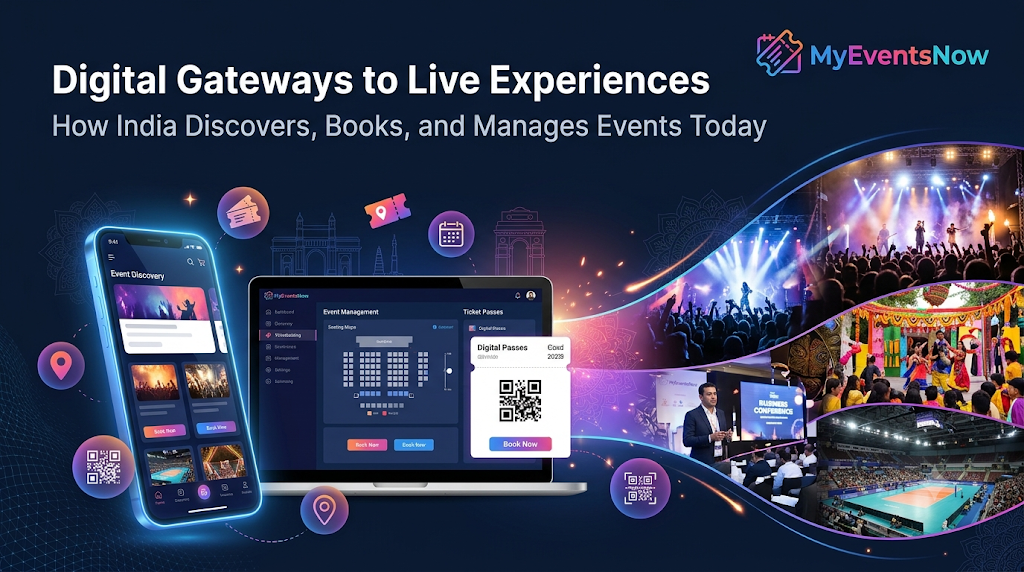
Live public gatherings across Indian cities are undergoing an unmistakable transformation. The era of tracking weekend plans through printed local tabloids, telephoning auditorium reception desks, or waiting outside physical box offices has largely passed. Today, digital ticketing ecosystems place discovery, comparison, and seat reservation right at people’s fingertips. From packed arena tours in Bengaluru and Mumbai to experimental black-box theatre in Pune and niche engineering bootcamps in Hyderabad, the sheer range of public gatherings continues to grow. Digital ticketing brings necessary structure to this diverse landscape. It gives attendees a dependable way to explore what is happening around them, evaluate pricing tiers, and secure admissions with minimal effort. Simultaneously, emerging event discovery hubs like MyEventsNow showcase how organized digital directories create direct bridges between independent creators and eager local audiences.
Looking closely at online event ticket booking India reveals how thoughtful digital workflows simplify life for casual weekend explorers, passionate hobbyists, and professional event organizers alike.
Navigating Event Discovery Across a Crowded Digital Landscape
Tracking down high-quality weekend activities or specialized professional gatherings across Indian urban hubs can easily become frustrating. A single city often hosts dozens of overlapping options on any given Saturday—from corporate roundtables and open-air food festivals to indie folk concerts and regional comedy open mics. When dates and details are scattered across private WhatsApp groups, unindexed community boards, and temporary social media stories, attendees routinely miss out on shows or show up unprepared.
An organized event marketplace replaces this scattered ecosystem with a centralized, structured directory. Rather than scouring separate platforms, users can browse comprehensive event profiles that clearly outline:
- Verified start times, session schedules, and gate check-in hours.
- Precise venue addresses, landmark hints, and parking considerations.
- Clearly labeled ticket classes, from early-bird general entry to VIP hospitality passes.
- Age requirements, accessibility notes, and specific entry terms.
+-------------------------------------------------------------------------+
|                  THE ROLE OF A CENTRALIZED DIRECTORY                    |
+-----------------------------------+-------------------------------------+
| FOR PROSPECTIVE ATTENDEES         | FOR EVENT HOSTS                     |
| - Filter by geography, date, topic| - Direct exposure to local buyers   |
| - Clear, itemized admission fees  | - Real-time seat inventory checks   |
| - Instant mobile confirmation     | - Rapid distribution of updates     |
+-----------------------------------+-------------------------------------+
When looking for upcoming events in India, intuitive filtering tools are indispensable. Allowing users to sort listings by immediate location, subject matter, and ticket budget ensures that a family looking for a weekend pottery workshop finds it just as effortlessly as a technologist searching for a specialized design sprint. Transparent, well-organized descriptions eliminate friction, giving people the clarity they need to commit their time and money.
Discovering Local Happenings: Bringing Nearby Activities into Focus
While arena-scale music tours generate national headlines, everyday leisure choices are inherently local. Most people want straightforward, accessible pastimes within a reasonable travel radius. When someone runs a mobile search for events near me, they are generally looking for practical, engaging ideas to make the most of their weekend.
Hyper-local discovery surfaces a diverse array of community-level activities:
- Neighborhood Cultural Gatherings: Guided heritage walks, artisan craft markets, seasonal street fairs, and outdoor photography walks.
- Skill Workshops: Hands-on sourdough baking classes, weekend gardening sessions, and creative writing workshops.
- Independent Performance: Coffeehouse acoustic sessions, spoken-word poetry circles, and community theatre revivals.
- Active Living: Sunrise park yoga, neighborhood cycling groups, and local running clubs.
A Practical Walkthrough: Finding a Weekend Pottery Class
Consider Ananya, a project manager living in Gurgaon, searching for an engaging offline activity for a Saturday afternoon:
- She uses location filters to explore creative workshops scheduled within a seven-kilometer radius.
- She identifies a two-hour hand-building ceramics workshop hosted at a local design studio.
- The listing lays out key logistics: class hours (2:30 PM to 4:30 PM), confirmation that clay and firing services are included, guidance on two-wheeler parking, and a strict limit of ten participants.
- She reviews the cancellation policy, pays through a UPI checkout, and receives an instant confirmation pass with an encrypted QR code via email and SMS.
This simple experience highlights why local discovery tools matter: verified venue information, defined participant caps, and frictionless reservations turn leisure hours into rewarding experiences without operational headaches.
Live Music, Concerts, and Performances Across India
The live music scene has broadened significantly across Indian cities. Alongside massive stadium shows featuring playback artists and international touring headliners, independent indie artists, classical fusion ensembles, regional folk groups, and club DJs regularly sell out auditoriums and outdoor venues.
Purchasing concert tickets online India goes smoothly when attendees examine a few core logistical details prior to checkout:
- Seating Layouts and Viewing Zones: Understanding the physical layout—such as standing pits, fixed tiered seats, and VIP lounges—helps attendees select options that match their desired comfort level and sightlines.
- Entry Gates and Set Times: A clear breakdown distinguishing between door-opening times and the headline artist’s performance helps patrons plan around evening traffic, security checks, and parking delays.
- Venue Restrictions and Security: Organizers often prohibit outside food and drinks, professional cameras, and large backpacks. Communicating these rules clearly on the listing prevents disputes at security checkpoints.
- Age Suitability: Many nightlife and concert venues enforce strict age requirements based on venue licensing, making prominent age advisories essential.
+--------------------------------------------------------------------------+
|                  PRE-CHECKOUT CONCERT BOOKING CHECKLIST                  |
+---------------------+----------------------------------------------------+
| Venue Logistics     | Gate hours, nearby public transit, parking details |
| Pass Entitlements   | Seated vs. standing, complimentary vouchers        |
| Entry Guidelines    | ID verification, dress codes, prohibited items     |
| Ticket Policies     | Resale policies, transfer options, refund terms    |
+---------------------+----------------------------------------------------+
Clear guidelines protect both concertgoers and production crews, preventing friction at turnstiles and ensuring the live event remains an enjoyable experience.
Stand-Up Comedy, Theatre, and Live Stage Shows
The demand for live spoken-word entertainment has grown far beyond major metropolitan comedy circuits. Stand-up comics, improv troupes, experimental playwrights, and literary storytellers now routinely sell out dates across cities like Ahmedabad, Kochi, Indore, and Jaipur.
Securing comedy show tickets India involves specific considerations that differ from large music festivals:
- Club Rooms vs. Formal Auditoriums: Intimate comedy venues offer spontaneous performer-audience banter where front-row seats carry high chances of crowd work. Explaining the room layout helps attendees decide between being in the middle of the action or observing quietly from the back.
- Language and Dialect: Stand-up comedy spans Hindi, English, Tamil, Marathi, Punjabi, and regional blends. Transparent performance notes ensure buyers select shows matching their language preferences.
- Content Ratings: While some theatre productions are suitable for families, many solo comedy routines cover adult themes. Distinct age tags (such as 16+ or 18+) help audiences make well-informed selections.
For theatre productions, digital booking platforms allow patrons to review plot synopses, cast credits, and run times, helping independent performing arts companies build sustained audiences.
Professional Seminars, Academic Summits, and Community Gatherings
Digital ticketing is not limited to weekend entertainment; it serves as a critical operational backbone for professional training, business summits, and academic conferences. In technological and educational centers across India, knowledge-based gatherings account for a substantial volume of weekly bookings.
+--------------------------------------------------------------------------+
|                       KNOWLEDGE & COMMUNITY EVENTS                       |
+---------------------+----------------------------------------------------+
| Technical Bootcamps | Hands-on coding labs, UI/UX sprints, DevOps clinics|
| Corporate Summits   | B2B trade conventions, founder demos, panels       |
| College Festivals   | Inter-university hackathons, debates, design meets |
| Cultural Gatherings | Book reading circles, craft fairs, local forums    |
+---------------------+----------------------------------------------------+
These knowledge-focused events provide tangible benefits for career advancement and civic development:
- Professional Development: Weekend masterclasses in software architecture, corporate compliance, or product strategy enable professionals to acquire targeted skills outside formal degree programs.
- Business Development: Industry conferences and vendor expos provide organized environments for client acquisition, strategic partnerships, and technical exchange.
- Civic Participation: Community programs—such as neighborhood tree-planting drives or civic budgeting forums—use registration tools to gauge attendance and coordinate supplies.
Providing accessible registration for educational and community activities strengthens civic ties and supports career growth across tier-one and tier-two cities alike.
Core Characteristics of a Reliable Event Ticketing Platform
A well-designed event ticketing platform India needs to provide simple, uncluttered navigation for ticket buyers while offering robust administrative controls for event creators.
                        MODERN TICKETING ARCHITECTURE

    [ PUBLIC INTERFACE ]                        [ ORGANIZER BACKEND ]
             |                                            |
    Discovery & Location Filters                Live Capacity Monitoring
             |                                            |
    Integrated Payment Rails (UPI/Cards)        Custom Attendee Form Fields
             |                                            |
    Instant Digital Passes (QR Codes)           Real-Time Entry Analytics
The fundamental features that define a trustworthy ticketing platform include:
- Intuitive Discovery: Clean search tools that let users filter listings by date, genre, geography, and admission cost without intrusive banner clutter.
- Transparent Fee Structures: Clear line-item breakdowns showing base ticket rates, applicable GST, and platform fees before the final checkout screen, avoiding surprise charges.
- Resilient Payment Integration: Reliable support for modern Indian payment rails—including UPI, credit/debit cards, mobile wallets, and net banking—backed by automated transaction recovery during network timeouts.
- Immediate Ticket Distribution: Instant dispatch of booking passes and digital QR codes via email and messaging apps.
- Accurate Inventory Controls: Real-time seat and pass tracking that prevents accidental double-booking during peak checkout periods.
- Direct Attendee Notifications: Integrated communication tools that allow organizers to issue immediate alerts regarding schedule adjustments, hall relocations, or weather advisories.
Managing Participant Registrations and Data Collection
Basic ticketing and structured registration serve very different operational needs. While a musical performance requires little more than contact details to deliver a ticket, an executive summit or student coding competition requires detailed participant profiles.
A versatile event registration platform India gives organizers the tools to manage attendee cohorts, verify credentials, and gather specific logistical information.
+--------------------------------------------------------------------------+
|                  TICKETING VERSUS EXTENDED REGISTRATION                  |
+-----------------------+--------------------------------------------------+
| BASIC TICKETING       | - Minimal buyer data (Full Name, Phone, Email)   |
|                       | - Primary focus: Fast payments and venue access  |
|                       | - Standardized entry rights for all buyers       |
+-----------------------+--------------------------------------------------+
| DETAILED REGISTRATION | - Role-specific questions (Title, Organization)  |
|                       | - Document uploads (Student ID, Certifications)  |
|                       | - Segmented permissions (Speaker Lounge, Labs)   |
+-----------------------+--------------------------------------------------+
Realistic Application: An Applied DevOps Workshop
Consider an intensive full-day software workshop hosted in Hyderabad designed for both enterprise engineers and engineering students:
- Professional Tier: Collects attendee job titles, enterprise domains, and current cloud stacks, allowing instructors to calibrate hands-on labs accordingly.
- Student Tier: Offers subsidized admission upon uploading a current university identification card, which event staff verify before issuing a pass.
- Logistical Preferences: Custom registration fields record operating system preferences (macOS, Linux, or Windows) and dietary requirements, ensuring venue coordinators allocate sufficient power strips and suitable catering.
Collecting structured attendee data beforehand streamlines check-in queues, eliminates paper registries, and gives coordinators the insights needed for smooth event execution.
Publishing an Event Online: A Practical Walkthrough
Publishing an event on an online portal gives organizers direct access to prospective attendees. However, poorly drafted listings with vague descriptions, missing schedules, or unclear conditions often cause prospective attendees to drop off.
When you list your event online India, following a methodical checklist creates comprehensive listings that convert casual browsers into confirmed participants:
[ Clarify Objective ] ---> [ Pick Category ] ---> [ Draft Clear Overview ]
                                                            |
[ Review & Publish ]  <--- [ Set Capacities ] <--- [ Add Precise Logistics ]
- Clarify Objective and Target Audience: Tailor the tone to the audience. A corporate summit demands concise, business-oriented language, while an indie pop night calls for an approachable, dynamic tone.
- Assign the Correct Category: Accurate categorization ensures the listing surfaces when users browse specific tags, such as Comedy, Tech Conferences, Theatre, or Workshops.
- Write an Informative Overview: Detail what attendees will experience, who will perform or speak, and what supplies, certificates, or perks are included. Specific agendas build far more confidence than vague promotional statements.
- Publish Precise Logistics and Schedules: Provide exact venue addresses, landmark directions, and parking notes. For multi-session gatherings, include an hourly timetable.
- Set Up Ticket Categories and Capacities: Define clear tiers (such as Early Bird, General Admission, or Group Pass). Explicitly explain what each tier provides, such as reserved seating or workshop materials.
- State Policies Clearly: Detail age limits, photo requirements, camera rules, and cancellation or refund terms before taking bookings.
- Conduct a Pre-Launch Review: Verify dates, contact details, venue pins, and pricing tiers across all options before going live.
- Keep Details Current: If sudden rain, road closures, or speaker delays force an adjustment, update the live listing immediately and notify ticket holders using broadcast messaging.
Actionable Approaches to Selling Event Tickets Online
Publishing an event is only the initial step; maintaining sales momentum requires deliberate planning around ticket releases and audience communication.
Organizers looking to sell event tickets online can implement several proven strategies to sustain steady bookings:
- Phased Pricing Releases: Offering an initial early-bird tier rewards committed patrons and provides early working capital to cover advance production deposits. Increasing rates as the date approaches creates natural motivation to book without relying on artificial countdown clocks.
- Group and Bundle Rates: Offering discounts for groups of three or five encourages colleagues and friends to attend together, lowering participant acquisition costs for the organizer.
- Exclusive Value Tiers: Introducing passes with unique perks—such as private Q&A sessions with keynote speakers or premium front-row access—appeals to dedicated enthusiasts willing to pay a premium.
- Monitoring Registration Velocity: Reviewing daily sign-up numbers helps marketing teams evaluate outreach channels realistically. If registrations slow two weeks before showtime, event managers can adjust promotional campaigns or adjust capacity limits before incurring fixed overhead expenses.
Consistent pricing, accurate event details, and dependable communication build an organizer’s reputation, paying dividends for future event editions.
Operational Workflows Powered by Event Management Software
Selling tickets is only half the battle. The operational reality of any event comes to the forefront the moment doors open to the public. When ticket records, attendee inquiries, and gate rosters reside in separate spreadsheets, gate delays and attendee confusion are almost inevitable.
Modern event management software India solves this fragmentation by consolidating distinct tasks into a unified dashboard:
+--------------------------------------------------------------------------+
|                  COORDINATED EVENT MANAGEMENT WORKFLOWS                  |
+--------------------------------------------------------------------------+
|                                                                          |
|       [ ATTENDEE-FACING ]                  [ ON-SITE OPERATIONS ]        |
|     Online Discovery & Ticketing   --->    QR Code Scanner Verification  |
|     Automated Confirmation SMS     --->    Fast-Track Badge Printing     |
|                                                                          |
|       [ FINANCIAL REPORTING ]              [ ORGANIZER ANALYTICS ]       |
|     Automated GST Invoicing        --->    Live Gate Attendance Flow     |
|     Net Settlement Records         --->    Drop-Off & Conversion Rates   |
|                                                                          |
+--------------------------------------------------------------------------+
- Digital Check-In Systems: Mobile scanning applications turn ordinary smartphones into secure entry scanners, validating tickets within seconds and preventing duplicate entries.
- Multi-Tier Access Control: For multi-track conferences, digital scanners verify that attendees only enter areas or breakout rooms tied to their registration tier.
- Live Attendance Tracking: Coordinators can monitor gate flow in real time, moving staff to crowded entrances or adjusting session start times dynamically.
- Automated Accounting and Invoicing: Modern platforms simplify financial administration by generating GST invoices, tracking payment gateway deductions, and producing net revenue statements.
Whether utilized by corporate planning teams, college fest committees, or independent workshop instructors, integrated software minimizes operational stress so organizers can focus on delivering a high-quality event.
Overcoming Common Operational Hurdles in Digital Ticketing
While digital ticketing platforms provide speed and convenience, both attendees and organizers encounter practical challenges that require proactive solutions.
+-------------------------------------------------------------------------+
|                  COMMON CHALLENGES & PRACTICAL SOLUTIONS                |
+--------------------------+----------------------------------------------+
| CHALLENGE                | PRACTICAL SOLUTION                           |
+--------------------------+----------------------------------------------+
| Incomplete Venue Data    | Comprehensive listing checklists covering    |
|                          | parking, age ratings, and session schedules  |
+--------------------------+----------------------------------------------+
| Payment Timeouts         | Auto-reconciliation systems and instant SMS  |
|                          | confirmation updates                         |
+--------------------------+----------------------------------------------+
| Capacity Overbooking     | Real-time inventory holding logic during     |
|                          | active customer checkouts                    |
+--------------------------+----------------------------------------------+
| Unauthorized Ticket Copy | Dynamic encrypted QR codes paired with photo |
|                          | ID checks at venue gates                     |
+--------------------------+----------------------------------------------+
| Ambiguous Refund Terms   | Upfront, unambiguous cancellation terms      |
|                          | displayed prior to transaction completion    |
+--------------------------+----------------------------------------------+
Inaccurate or Outdated Listings
Arriving at an auditorium only to discover the start time changed or the hall was moved causes immense frustration. Event organizers must treat their digital listings as dynamic announcements, promptly updating any changes to schedules, speaker lineups, or parking arrangements.
Payment Failures and Disconnected Checkouts
During peak registration periods for high-demand shows, intermittent network connectivity can lead to funds being debited without an instant ticket confirmation. Ticketing engines need dependable transaction recovery workflows that reconcile pending banking requests, send immediate SMS transaction status updates, and issue passes without requiring frantic support tickets.
Counterfeit Passes and Secondary Resale Risks
Purchasing tickets through unverified secondary channels carries significant risks of forged PDF tickets or duplicated barcodes. Leading platforms address this by generating dynamic QR passes that refresh periodically or by requiring valid photo identification at entry points to deter unauthorized resale.
Transparent Cancellation and Postponement Guidelines
Organizing live events requires non-refundable upfront commitments to venues, sound engineers, and talent. However, when unforeseen circumstances force event postponements or cancellations, attendees expect clear, fair resolutions. Explicitly stating whether passes are transferable, refundable, or eligible for credit vouchers establishes trust before transactions occur.
Practical Trends Shaping the Ticketing Ecosystem
The digital ticketing space in India continues to evolve alongside changing consumer preferences and mobile habits. As finding and booking events becomes a routine part of daily life, several practical trends are improving the experience for everyone involved:
- Contextual Discovery: Search engines and event directories are moving from rigid keyword queries toward contextual recommendations. Modern systems can suggest follow-up workshops to past participants or notify music fans when independent artists schedule performances nearby.
- Frictionless Mobile-First Journeys: With the vast majority of Indian consumers accessing the internet exclusively through smartphones, booking flows are removing unnecessary form fields. Streamlined interfaces, instant UPI authorizations, and lightweight tickets designed for offline retrieval reduce checkout friction.
- Multilingual Discovery: Adding regional language support opens doors for vernacular theatre, regional literature festivals, and community folk gatherings, helping audiences who prefer browsing outside English-language interfaces.
- Responsible Data Management: With heightened awareness around personal data privacy, both attendees and corporate clients gravitate toward platforms that collect only essential registration details, respect communication choices, and handle personal data responsibly.
Connecting Communities Through Shared Experiences
India’s vibrant gathering culture—spanning traditional cultural festivals and community art fairs to high-level tech summits and weekend comedy shows—reflects a shared desire for meaningful human interaction. The modernization of event ticketing does not replace this communal spirit; it provides the reliable digital infrastructure that sustains it. Centralized directories, location-based searches, secure payment gateways, and organized registration systems eliminate the logistical friction that once made attending or hosting an event complicated. Dedicated platforms like MyEventsNow illustrate how structured, accessible event directories help people step away from their screens and experience the rich cultural, educational, and social opportunities taking place right in their communities. For organizers, artists, and institutional hosts, modern ticketing software provides the structural framework needed to manage inventory, track attendees, and coordinate on-site operations. For attendees, it delivers the transparency, convenience, and confidence needed to explore new activities. When digital tools operate smoothly behind the scenes, audiences and performers can focus on what matters most: creating memorable, shared moments together.
Leave a Reply